

A small installer is not the same as a light-running emulator. To keep resource use low, limit simultaneous work, choose a modest screen configuration, and measure which part of the PC is actually busy. Start with a single emulator instance, close nonessential background tasks, lower resolution, and cap frame rate when available. If the host still struggles, use a physical Android phone or remote test session rather than an unofficial “lite” repack.
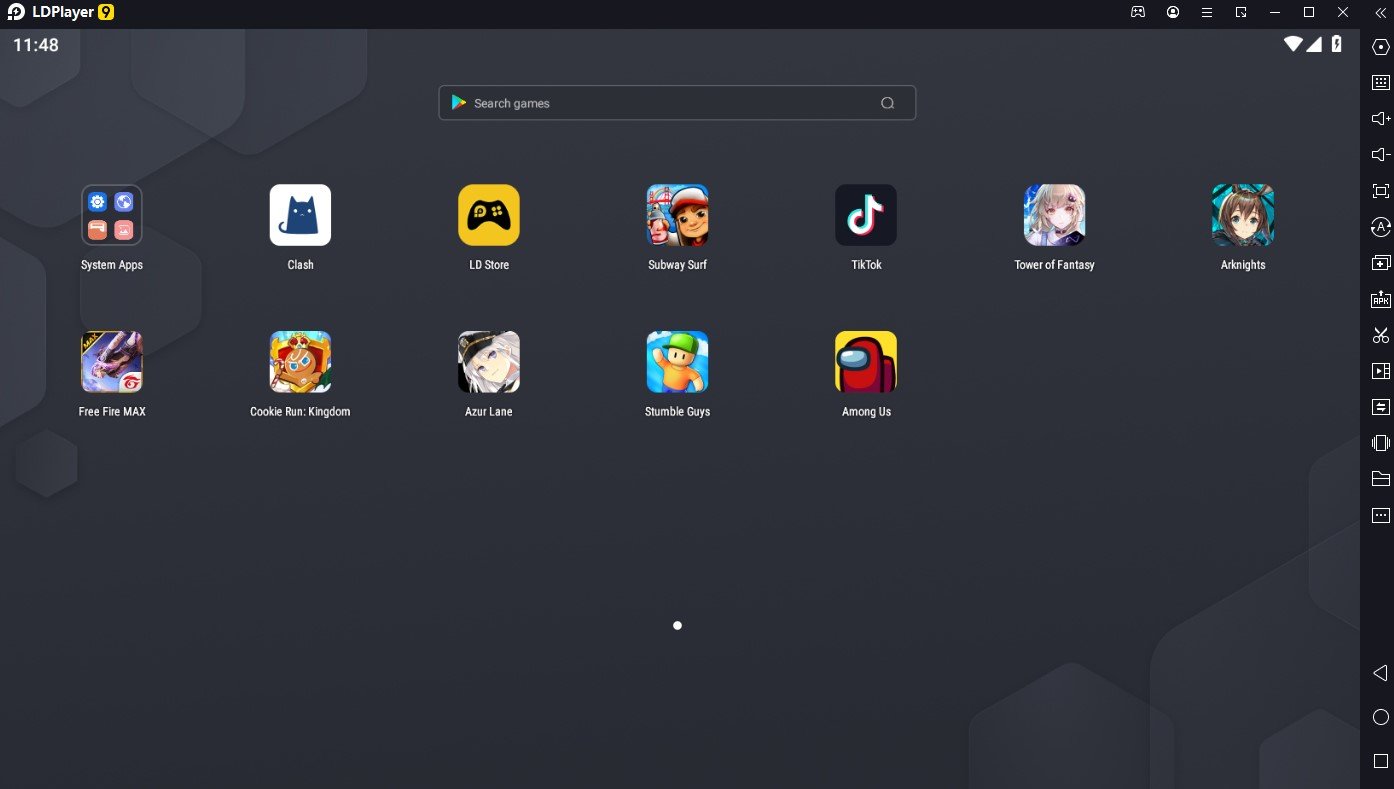
Reduce the work the PC must do
Android emulation uses CPU, memory, graphics, and disk together. Lowering the resolution can reduce graphics load; closing other apps can free memory; using one instance limits duplicated Android processes. An SSD can improve loading, but it cannot replace missing memory or virtualization support.
Options by task
| Option | Good fit when | Keep in mind |
|---|---|---|
| One consumer-emulator instance | A single app or game | Keep resolution and background workload modest. |
| Google Play Games on PC | A supported game with a curated install path | It still needs to meet its own PC requirements. |
| Physical Android phone | Testing on a constrained computer | Uses little host CPU but is less repeatable. |
A practical setup check
- Open Task Manager and note whether CPU, memory, GPU, or disk is saturated during the slowdown.
- Test one emulator instance at default settings, then lower resolution or frame rate one step at a time.
- Remove only apps you recognize and no longer need; do not add antivirus exclusions just because an emulator recommends a broad exception.
Common questions
Which Android emulator uses the least RAM?
There is no stable answer across versions and workloads. Measure one instance on your PC rather than trusting an unsupported universal ranking.
Are “lite” emulator installers safe?
Use vendor downloads only. Repacked installers may add unwanted software or omit important updates.
Sources for this guide
I used the product or platform documentation below for compatibility and policy details. Check the linked source before making a setup decision, since support can change.
- BlueStacks minimum system requirements
- Android Emulator acceleration and graphics options
- LDPlayer virtualization setup
If you are weighing another setup, continue with Low-end PC recommendations or Older-PC compatibility. The the complete Android emulator guide puts the options in context.